The Modern Foundation Board is Taking Shape
By Nanci Hibschman


A new study shows more term limits, greater attention to board demographics, and a shift toward actively engaged – and increasingly compensated – board members.
Originally published by the Chronicle of Philanthropy
Foundation boards are changing – and the shift reflects a broader modernization of governance across philanthropy.
For decades, many foundation boards were composed largely of retired executives or long-standing family members who met a few times a year to review proposed grants and financial reports. Today, that model is evolving into something more modern and intentional.
New findings from the 2025–2026 Foundation Board Practices Survey, conducted by C3 Nonprofit Consulting Group, a division of SullivanCotter, provide a window into that transformation. The research includes responses from 63 foundations across the United States, representing organizations of varying size and structure.
Several clear trends have emerged:
1. Boards Are Becoming More Intentional About Renewal

One of the clearest signals of modernization is the prevalence of term limits.
The survey finds that 75% of foundations now have term limits for board members, most commonly structured as three terms of three years each.
Term limits encourage board renewal and create opportunities to bring in new expertise. They also help foundations avoid an oversight challenge that has long affected the sector: boards that change very little over time.
Leadership roles are also rotating more frequently. Many foundations limit the length of service for board chairs, creating more opportunities for leadership transition and shared governance.
2. Foundations Are Paying Attention to Board Composition
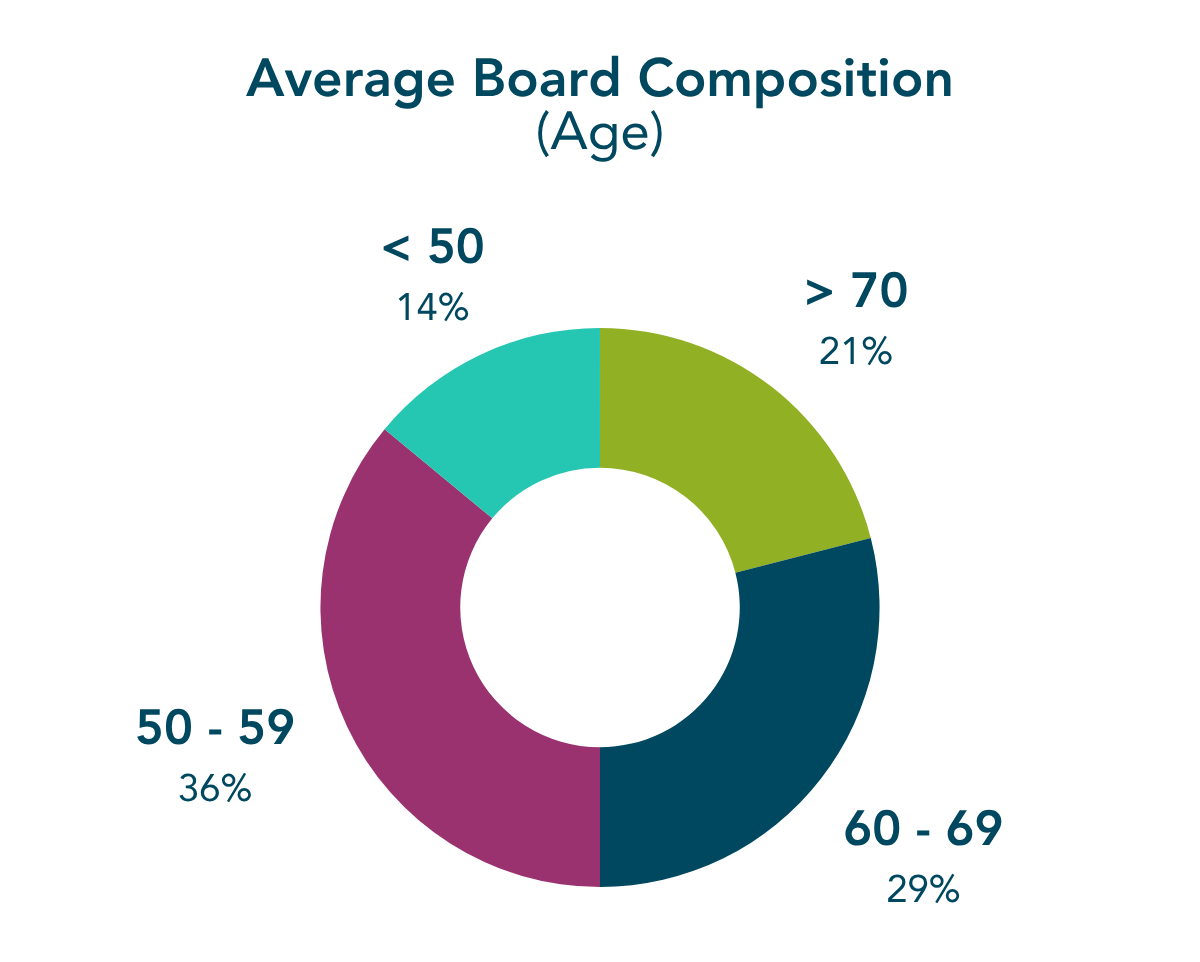
Another sign of modernization is the growing effort to understand and manage who sits on foundation boards.
The study shows that many foundations now track demographic characteristics and areas of expertise among board members. Gender is the most commonly tracked demographic category, followed by race and ethnicity and professional expertise.
This reflects a growing recognition that board composition matters – not only for representation but also for the perspectives and lived experiences that inform philanthropic decision-making.
Across the foundations represented in the study, boards are slightly majority female, suggesting gradual progress toward greater gender balance in governance.
3. The Rise of the Working Board Member
Perhaps the most significant shift is in who serves on foundation boards.
Historically, many boards were composed primarily of retirees or individuals with otherwise flexible schedules. While those members remain important contributors, the study indicates that a majority of board members are now working full-time.
This reflects a broader shift toward board members who bring current professional experience in areas such as investment management, law, finance, technology, and community leadership – skills that are increasingly valuable as foundations navigate complex social challenges and manage larger endowments.
4. More Foundations Are Compensating Board Members
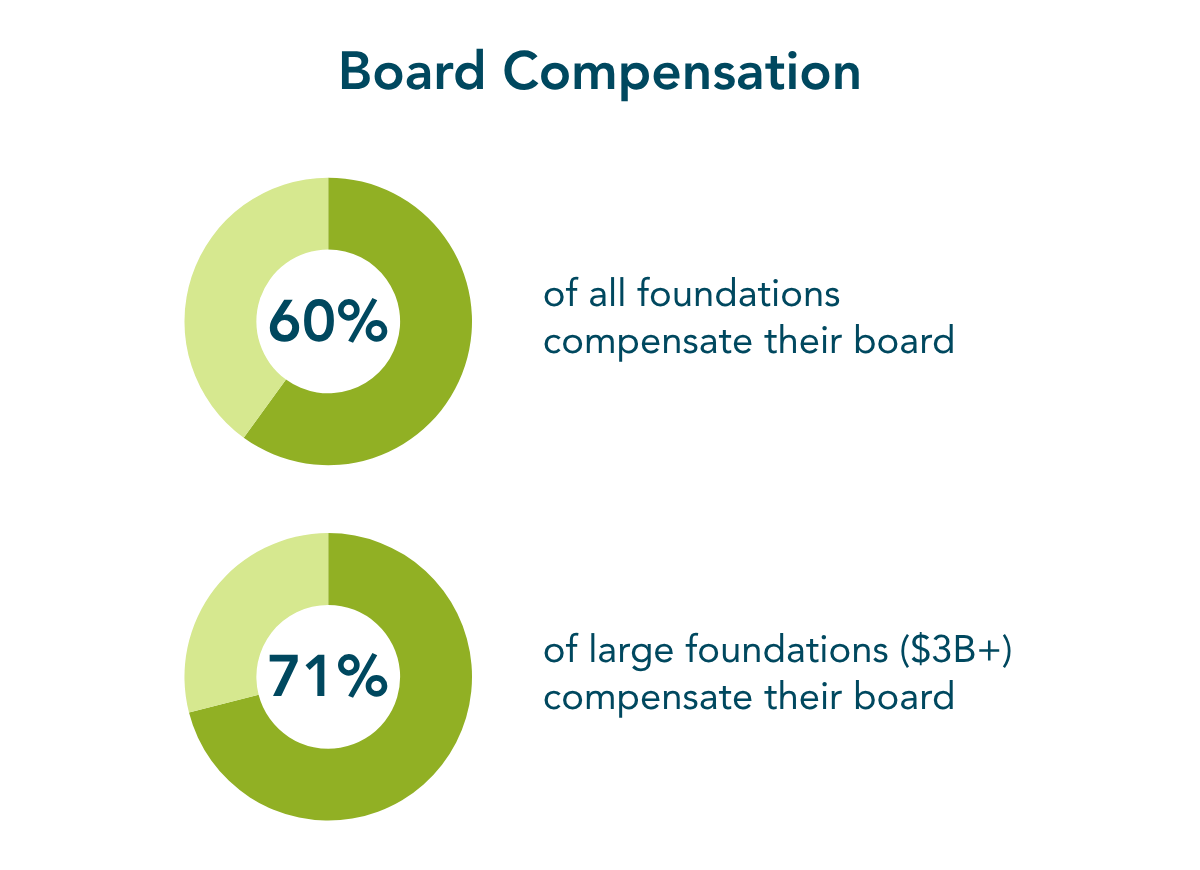
Another sign of the modernization of foundation governance is the growing prevalence of board compensation.
The study finds that 60% of foundations compensate board members for their service, most commonly through annual retainers rather than meeting fees. This practice is even higher (71%) among larger organizations with assets greater than $3 billion.
Several factors help explain this trend:
First, the expectations placed on board members have increased significantly. Boards are responsible not only for overseeing grantmaking strategies but also for stewarding large investment portfolios, evaluating executive leadership, and guiding organizations through complex social and policy environments.
Second, many foundations are seeking board members with specialized expertise in areas such as finance, investment management, law, technology, and community leadership. Compensation can help attract and retain individuals with that expertise who are still actively working in their professions.
Finally, some foundations view compensation as a way to broaden who can serve. Recognizing the time commitment required for governance roles can make board service accessible to leaders who might otherwise be unable to participate.
Conclusion
Modernizing governance is not simply a matter of adopting a few new policies; it reflects a broader transformation in how foundations think about the role of their boards.
As philanthropic organizations face more complex social challenges and greater expectations for accountability, boards are becoming more dynamic by bringing current professional expertise, deeper engagement, and clearer expectations for service. Increasingly, foundations are also recognizing the time and expertise required for effective governance by compensating board members for their contributions.
The result is a foundation board that looks different than it did a generation ago: more intentional in its composition, more strategic in its oversight, and better positioned to guide philanthropic institutions through the challenges ahead.
related Insights